AC Installation in Kansas City: Efficient SEER Ratings Explained
Kansas City summers do not ease into anything. One week you are running a ceiling fan and thinking about grill season, and the next you are checking your thermostat every few minutes like it owes you money. When the air conditioner is new, quiet, and properly matched to your home, the system just works. When it is oversized, undersized, or installed with sloppy airflow and duct connections, you feel it immediately as warm spots, short cycling, higher bills, and that particular kind of indoor humidity that makes everything feel sticky.
That is why AC installation in Kansas City matters as much as the equipment itself. A shiny high-efficiency unit with a mediocre installation can perform worse than a slightly less efficient unit that was sized and set up correctly. SEER ratings are part of the story, but they are not the whole story. Let’s break down what SEER actually tells you, what it does not, and what to look for during an HVAC contractor in Kansas City MO installation so you end up with comfort and efficiency you can feel.
SEER rating, decoded without the marketing haze
SEER stands for Seasonal Energy Efficiency Ratio. In plain terms, it is a measure of how efficiently an air conditioner uses electricity over a cooling season. The higher the SEER number, the more cooling you get per unit of energy, at least under the testing conditions used to calculate that figure.
If you are comparing systems, SEER is useful because it gives you a standardized baseline. But you cannot treat it like a guarantee of lower bills. Real-world energy use depends on a chain of factors: your home’s load, insulation and air sealing, thermostat settings and schedules, ductwork condition, airflow, refrigerant charge, outdoor coil cleanliness, and even how evenly the home is distributed with return air.
In Kansas City MO, there is also the humidity factor. A unit can be efficient in terms of energy, but if it is not managing moisture well, you may run longer cycles, feel clammy air, and end up cranking the thermostat harder than you intended. That behavior changes comfort more than it changes the nameplate SEER.
What SEER numbers usually mean for homeowners
You will commonly see options that are higher SEER than older units. If your current system is older, you may be stepping up from something in the mid single digits to much higher levels. That jump often feels dramatic, even if the install quality varies, because the older equipment is likely wasting energy in multiple ways.
However, newer SEER levels often come with trade-offs. Higher-efficiency equipment sometimes has tighter operating ranges, different fan and compressor behaviors, and additional controls. That can be fine, but only if the system is sized right and the installation supports proper airflow and condensate drainage. If those pieces are off, high SEER can turn into high frustration.
Why the install details matter more than the number on the brochure
A lot of homeowners focus on the unit’s SEER because it is easy to compare. The more important question is whether the unit matches your home’s cooling load and whether the system is set up to move the right amount of air.
I have seen this play out in the field. A family once replaced a struggling older system with a new high-SEER outdoor unit. The outdoor section was installed correctly, the model number was impressive, and the thermostat looked modern. For the first few days, everything cooled down. Then the summer heat returned and the house started running in weird patterns. The air felt cool at first, then warmer, then cool again, with uneven comfort from room to room. The system wasn’t just “less comfortable,” it was fighting itself.
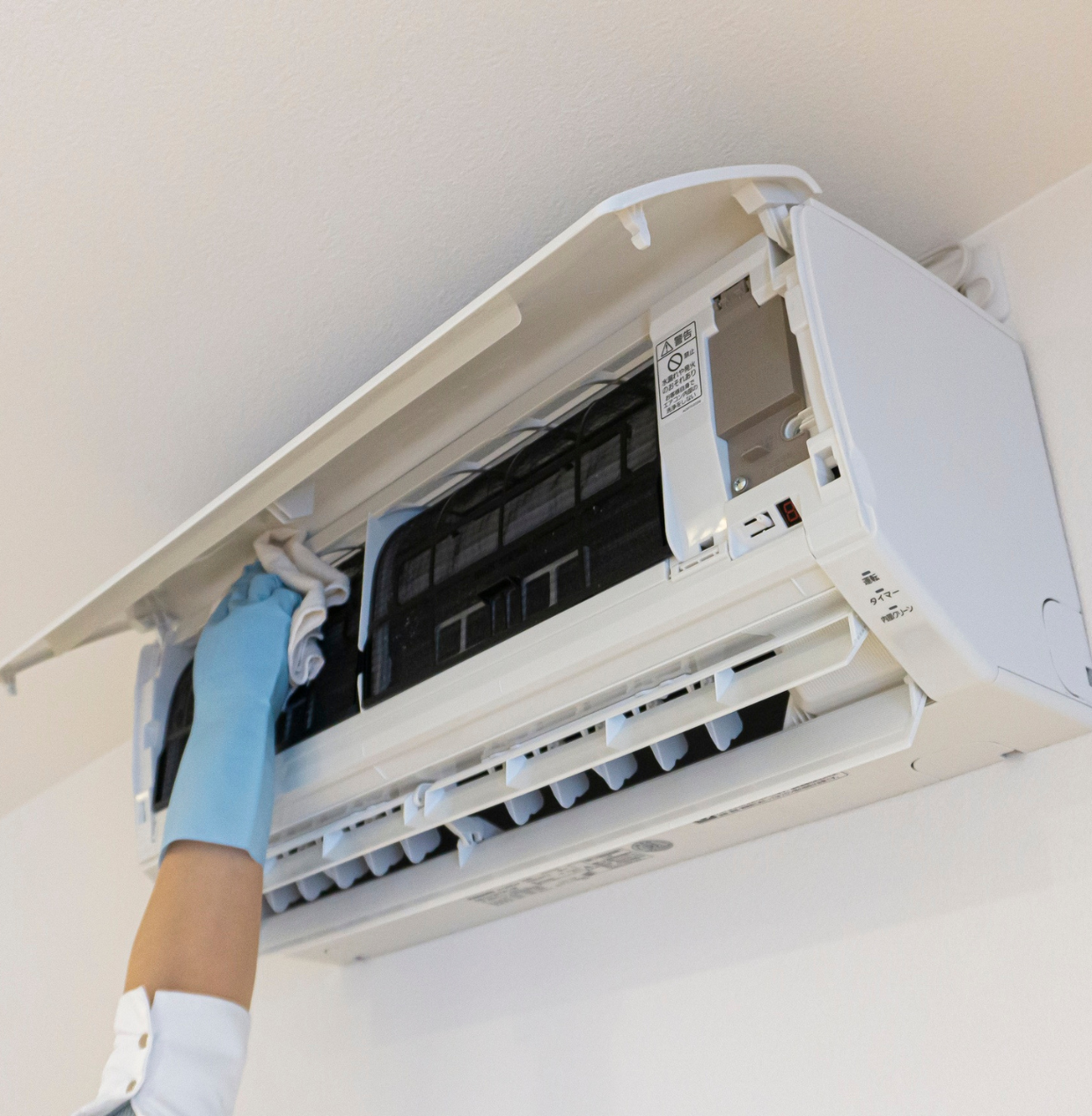
The root cause was not the SEER rating. It was airflow and duct behavior. The indoor blower settings and duct restrictions were not tuned to the system’s intended operating conditions. The furnace blower and the air handler were not delivering the airflow the outdoor unit needed to remove heat efficiently. When the indoor airflow is too low, coils can run at the wrong temperature. That can hurt both efficiency and dehumidification. The unit may still drop the temperature, but it struggles to wring out moisture and it cycles more than it should.
When you choose AC installation in Kansas City, you are really buying a full system match and a setup process, not just a compressor.
Oversized and undersized systems: the two comfort problems that look similar
Oversizing and undersizing can both show up as “the AC runs all the time” complaints. They are not the same problem, but they can produce similar symptoms like inconsistent temperatures or humidity that does not behave.
- An oversized unit often cools quickly at first, then shuts off early. The short run times can prevent the system from removing enough moisture, leaving the house feeling damp. You may notice cold air at the vents but a sticky feel in the living spaces.
- An undersized unit struggles to keep up during peak heat. It will run longer, which can increase energy use and wear. Sometimes it also leads to indoor temperatures that never quite settle, even at lower thermostat settings.
SEER does not fix either of these. A high-SEER system that is improperly sized still wastes energy and still fails the comfort test. The comfort win comes from proper load calculation and correct equipment sizing, followed by airflow tuning and refrigerant charge verification.
SEER vs. Other ratings you will see in estimates
When you request quotes, you might see additional numbers besides SEER. Two that show up often in modern HVAC discussions are:
- AFUE for furnaces (not relevant to cooling performance, but sometimes included in quotes)
- HSPF for heat pumps in heating mode
For air conditioning specifically, SEER is the headline, but there are also seasonal efficiency metrics for different climates and configurations. If you are comparing heat pumps versus air conditioners, you are not just comparing SEER. You are comparing how the system performs across both cooling and heating seasons, including how it handles defrost cycles and compressor staging.
The practical takeaway: ask for https://www.google.com/search?kgmid=/g/11g2szs6h5 the SEER or cooling efficiency rating, but also ask how the contractor confirmed the system size and how they plan to verify airflow and charge during the installation. That is where the measurable comfort and savings actually come from.
Kansas City humidity is part of the design brief
Kansas City summers bring warm, humid air that can push indoor humidity levels higher than many homeowners expect, especially in older houses with leaky ducts or older return systems.
A properly designed cooling system should remove moisture steadily, not just chill air. Dehumidification depends on airflow across the indoor coil, condensate drainage, and control strategy. Two systems with the same SEER can feel very different if one runs with better coil conditions and airflow.
If you have noticed any of the following, it is often a comfort and moisture management issue rather than a pure temperature issue:
- You can feel cool air, but the room still feels muggy.
- Condensate lines seem to drain slowly, or you see water where you should not.
- The system cycles too quickly, especially on milder days.
- Air distribution is uneven, and some rooms never feel right.
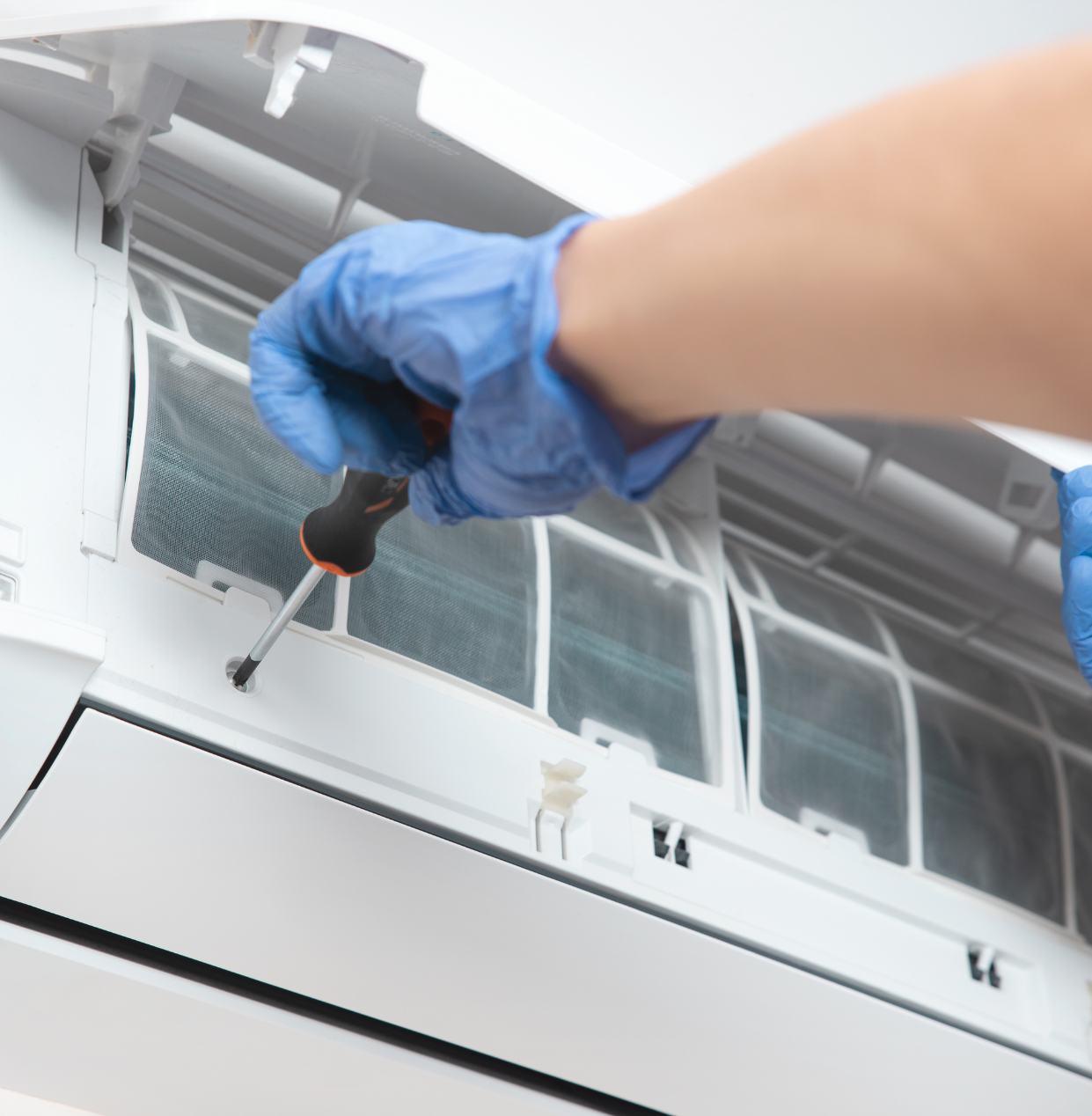
AC maintenance in Kansas City is often the difference between “it’s working” and “it’s working well.” A clogged filter, dirty indoor coil, or low airflow condition can quietly reduce moisture removal over time.
The equipment is only half the story: ductwork and airflow
If your home’s ducts are leaky, poorly balanced, or undersized, the system will compensate by running longer or cycling more. Either way, efficiency and comfort take a hit. This is one of the most common real-world obstacles to achieving what SEER promises on paper.
During installation, the contractor should evaluate:
- Return air path and whether the system can pull air consistently.
- Supply duct sizing, bends, and restrictions.
- Register balancing, especially for homes with major pressure differences between rooms.
- System fan settings and airflow targets for the indoor coil.
In plain language, high SEER does not help much if the indoor blower is not delivering the correct volume of air across the coil. When that airflow is right, the outdoor compressor can operate within its intended conditions more reliably.
Heat that leaks in, cooling that leaks out: the building envelope matters too
Energy efficiency and SEER savings depend on your home’s cooling load. A home with good insulation, tight air sealing, and decent window performance does not require as much cooling. That means the system runs at part load more often, and it can operate more efficiently.
A home with significant air leaks or poor attic insulation can all4onekc.com overwhelm even a well-installed system. You might still get comfort, but your run times increase, and the bill reflects that reality. This is one reason why two neighborhoods with similar SEER equipment can have very different electricity use.
If you are considering AC installation in Kansas City and you know your attic insulation is minimal or your windows are drafty, it is worth thinking about envelope improvements. They do not replace a proper installation, but they often reduce the pressure on the AC and improve the payoff of your efficiency upgrade.
Practical examples from the field
Here are a few scenarios that come up often in Kansas City homes, and how SEER fits into the story.
Example 1: Upgrading from an older unit
A homeowner with a ten to fifteen year old system wanted “the most efficient thing we can buy.” The quote offered a high-SEER option. The contractor also recommended checking airflow and sealing returns, because the existing ducts had signs of leakage.
They went ahead with the new unit and the duct evaluation. The difference was noticeable right away, not only in comfort but in how steady the system felt. With improved airflow and cleaner operation, the system removed moisture better, and the “on and off” feel smoothed out. The SEER rating mattered, but the installation and duct condition were what helped the system deliver the efficiency the rating implies.
Example 2: The “it cools, but it’s humid” complaint
A client described cold air at the vents and warm, sticky air in the bedroom. The system had a decent SEER number, but the bedroom had a different airflow balance. The contractor found the return path was weak, which forced the indoor unit to operate under conditions that did not produce strong dehumidification in that zone.
After correcting airflow distribution and tuning the system settings, the cooling was still “cool,” but the humidity dropped. Comfort improved even though no one changed the SEER. That is the kind of outcome that makes homeowners stop talking about the SEER number and start trusting the technician.
Example 3: Short cycling on milder days
Another case involved a unit that was running short cycles frequently, especially in shoulder season. The homeowner thought the unit was “working too hard.” In reality, the system was likely oversized for the load, and the control strategy shut it down quickly.
The SEER rating would not fix that. The solution was ensuring the system size and setup matched the actual load, and that the thermostat and staging behavior were handled correctly. Once the system ran longer cycles with stable airflow, both comfort and efficiency improved.
What to ask for during AC installation in Kansas City
If you want to make sure you get a real efficiency upgrade, ask about the steps that connect SEER to your bill and your comfort.
You can request clarity on sizing methods, airflow verification, and refrigerant charge checking. You can also ask how they handle duct constraints and how they test performance after the system is installed.
Here is a short, practical checklist of what you should expect the HVAC contractor in Kansas City MO to address during installation:
- A load calculation based on your home’s details, not just square footage guesswork
- Indoor airflow verification, including filter and duct condition considerations
- Refrigerant charge and pressure checks appropriate for the system type
- Thermostat setup and control behavior that matches your comfort goals
- Post-install checks for temperature drop, airflow performance, and drainage
If a contractor cannot explain how they confirm those items, be cautious. A clean install matters, but verification matters more.
When AC repair and AC installation overlap
Many homeowners start shopping for installation only after repeated AC repair. That makes sense, especially when parts keep failing or the system struggles more each summer.
Still, it’s worth stepping back and asking a targeted question: is the system suffering from a simple repair issue, or is it failing in a way that points to broader inefficiency or mismatched operation?
Common repair conversations in Kansas City can include:
- Refrigerant-related performance problems that may reflect leaks or incorrect charge history
- Indoor coil contamination that reduces airflow and dehumidification
- Blower issues that reduce delivery air volume
- Capacitor or contactor failures that disrupt stable run behavior
- Condensate drainage clogs that create moisture and comfort concerns
If you have an older system and you are repeatedly paying for repairs, ask whether the root issue is aging components, or if the equipment has been operating outside its intended range. Sometimes a repair is the best path. Other times, an efficient, properly installed replacement gives you both stability and lower operating cost.
This is why homeowners search for AC repair in Kansas City MO and HVAC repair in Kansas City MO while they are weighing installation. A good technician does not just sell parts, they assess system performance as a whole.
How to think about value when SEER options differ
SEER is not a one-size decision. Higher SEER equipment usually costs more upfront. Whether it pays back depends on your cooling run time, your electricity rates, your home’s cooling load, and how well the system is installed and maintained.
If you live in a tighter envelope home and you keep the system healthy with regular maintenance, higher efficiency can make sense because the system spends more time running efficiently. If your ducts are leaky or your home has a higher load, you may get more comfort and savings by addressing airflow, sealing, and basic performance issues first.
A practical approach is to treat SEER as one line item in a larger equation. You want the system to be sized correctly, the ducts to deliver the right airflow, and the system to run steadily without excessive cycling. Once those fundamentals are in place, the SEER rating becomes more meaningful.
AC maintenance in Kansas City that protects both comfort and efficiency
Maintenance is not just about preventing breakdowns. It is about preserving the system’s ability to manage airflow and moisture. Over time, performance drifts due to dust, filters, coil buildup, and blower condition.
If you want your installed system to deliver the efficiency you paid for, you should plan for routine upkeep. Many service plans focus on:
- Filter changes and verification of correct size and MERV suitability
- Checking and cleaning indoor and outdoor coils as needed
- Ensuring condensate drainage is clear and properly routed
- Inspecting refrigerant lines and electrical components for signs of wear
- Verifying airflow and system operation trends over time
One reason maintenance matters in Kansas City is how humidity and dust combine. The indoor coil can collect deposits, and if airflow drops even modestly, the system can feel less comfortable while running longer. That is where SEER becomes less relevant, because the system is no longer operating as designed.
Common misconceptions that waste money
People usually do not wake up and decide to buy the wrong system. The wrong outcome often comes from misunderstandings that lead to bad assumptions during shopping or scheduling.
A few misconceptions I hear frequently:
- A higher SEER number always means lower bills, regardless of installation quality
- “More cooling capacity” always equals better comfort
- The technician can adjust comfort after the fact without checking airflow or charge
- New equipment will automatically dehumidify better in every home
- Filters and duct leaks are minor details that do not affect performance
When you treat comfort as “temperature only,” you can end up surprised. When you treat comfort as “temperature plus humidity plus steady airflow,” the right SEER option becomes easier to pick.
Choosing the right system when you are ready for AC installation
When you are shopping in Kansas City, you have real decisions to make. You can choose a traditional split AC system or consider a heat pump configuration depending on your home and heating setup. Either way, the install process drives comfort.
If your goal is reliable comfort through humidity-heavy days, prioritize the overall setup: correct size, correct airflow, correct drainage, and proper control behavior. Then choose the SEER tier that fits your budget and your willingness to maintain the system.
It also helps to plan around how you use your thermostat. If your schedule keeps indoor temperatures stable, the system runs more predictably. If you frequently swing the setpoint dramatically, the system may need more recovery, and efficiency benefits can shrink.
Ask your installer how the system is likely to behave in your home, not just in a testing chart.
Final thought, grounded in what you actually feel
A SEER rating is a useful compass, but it is not the map. In Kansas City summers, what you feel depends on whether the system matches your load, whether airflow is tuned, whether moisture removal is steady, and whether the installation verification steps are done properly.
When AC installation in Kansas City is handled with real attention to sizing, airflow, refrigerant charge, and duct performance, a higher-efficiency unit can make a noticeable difference in both comfort and operating cost. When those details are skipped, you can end up paying more for a number that never quite shows up in your living room.
If you are already dealing with HVAC repair in Kansas City MO or you are considering a replacement because the current system is unreliable, take that as useful information. The best next move is often not just choosing the highest SEER available. It is choosing the HVAC contractor in Kansas City MO who can explain the installation process, verify performance, and help you understand what will change in your home once the new system is running the way it was designed to run.
If you want, tell me your current system age, whether it is an AC-only unit or a heat pump, and any symptoms you notice, like humidity, short cycling, or uneven room temperatures. I can help you frame the right questions to ask when you get quotes and explain where SEER does and does not matter for your specific situation.
All 4 One Heating & Cooling
5828 Woodland Ave, Kansas City, MO 64110, United States
816-699-8366
[email protected]
Website: https://all4onekc.com/